Introduction
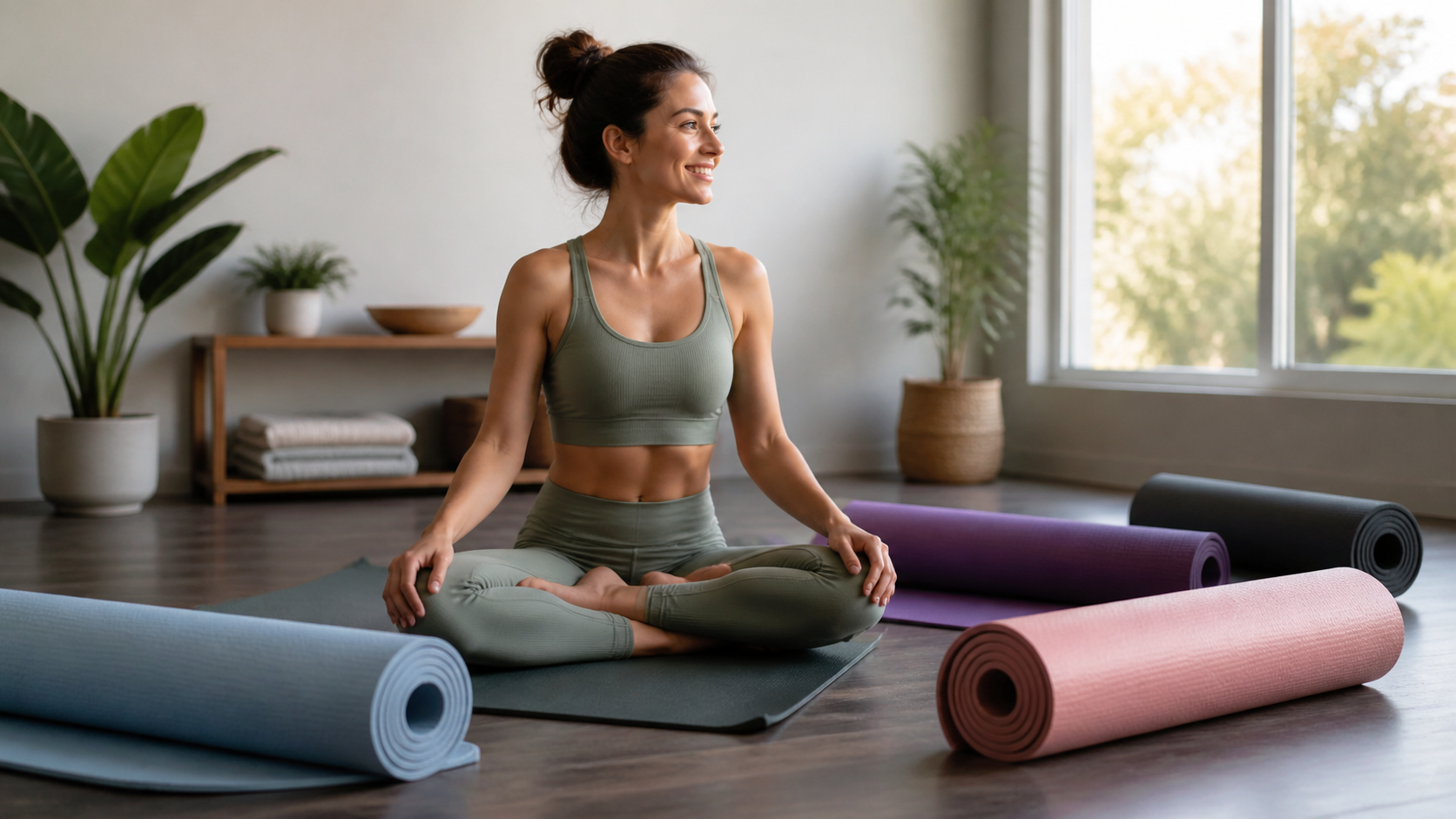
Yoga is a practice that goes beyond physical exercise; it offers a holistic approach to well-being. One essential element that can significantly enhance your yoga experience is the mat you practice on. A good yoga mat not only provides comfort but also offers stability, support, and safety, empowering you to focus on your poses and breathing. Whether you are a beginner venturing into yoga or a seasoned practitioner, selecting the right yoga mat is crucial. In this comprehensive guide, we’ll delve into the top 5 Yoga Mats of 2023, ensuring you find the perfect one for your practice.
Why a Good Yoga Mat Matters
A quality yoga mat is more than a simple accessory; it impacts your performance and enjoyment during practice. Here are some key reasons why investing in the right mat is essential:
- Comfort: A cushioned mat reduces strain on your joints and enhances your comfort during each pose.
- Stability: A non-slip surface allows you to maintain balance and confidence while transitioning between poses.
- Support: The right thickness and material provide necessary support for various body types and styles of yoga.
- Durability: Investing in a quality mat can save money in the long run by reducing the need for frequent replacements.
Top 5 Yoga Mats for Every Practitioner
1. Manduka PRO Yoga Mat
The Manduka PRO Yoga Mat is a favorite among both beginners and seasoned yogis due to its exceptional quality and durability. Here’s what sets it apart:
- Material: Made from high-density PVC, this mat offers a dense cushion and is free from harmful chemicals.
- Thickness: At 6mm thick, it provides ample support while still being portable.
- Stability: The textured surface ensures a non-slip grip, making it ideal for hot yoga or vigorous practices.
Considerations: While the Manduka PRO is slightly heavier than other mats, its durability and performance make it worth the investment.
2. Liforme Yoga Mat
The Liforme Yoga Mat has gained popularity for its eco-friendly material and thoughtful design:
- Eco-Friendly: Made from natural rubber, it is biodegradable and free from toxic chemicals.
- Alignment Guide: The alignment markers printed on the mat help maintain proper pose alignment.
- Grip: Features a unique texture that provides superior grip, even during the sweatiest practices.
Considerations: Ideal for environmentally-conscious yogis, it may take some time to break in but offers great longevity.
3. Jade Yoga Mat
The Jade Yoga Mat is another eco-friendly option that prioritizes comfort and stability:
- Natural Rubber: Made from natural rubber tapped from rubber trees, it’s a sustainable choice.
- Grip and Cushion: Offers excellent traction and a 5mm thickness that provides both comfort and stability.
- Community Impact: For every mat sold, Jade Yoga plants a tree, contributing positively to the environment.
Considerations: While it may have a latex smell when first unwrapped, regular use and cleaning reduce this over time.
4. Gaiam Cork Yoga Mat
The Gaiam Cork Yoga Mat combines functionality with aesthetic appeal:
- Cork Surface: The natural cork layer acts as an anti-microbial surface and is naturally non-slip.
- Durability: It features a TPE bottom layer, offering a comfortable, cushioned experience without compromising grip.
- Lightweight: This mat is lightweight, making it easy to transport to your yoga class.
Considerations: The cork surface may require extra cleaning care to maintain its longevity, especially if used frequently.
5. prAna E.C.O Yoga Mat
The prAna E.C.O Yoga Mat is a budget-friendly option that doesn’t skimp on performance:
- Material: Made with thermoplastic elastomer (TPE), it is latex-free and contains no harmful chemicals.
- Thickness: It provides a thicker profile that’s comfortable for beginners learning poses.
- Lightweight and Portable: Easy to roll up and take with you, this mat is ideal for those who travel.
Considerations: Its lighter construction means it may not have the same durability as more expensive options, but it’s a great starter mat.
Factors to Consider When Choosing a Yoga Mat
When selecting a yoga mat, keep the following factors in mind to ensure it meets your needs:
- Material: Consider whether you prefer natural materials like rubber or synthetic options. Your choice may depend on personal preference or environmental impact.
- Thickness: A thicker mat offers more cushioning but may be less stable for balancing poses. A 4–6mm thickness is commonly recommended for beginners.
- Grip: Look for a mat with good traction to prevent slipping during practice.
- Portability: If you attend classes outside your home, consider a lightweight mat that is easy to carry.
- Price: Set a budget, but also consider the long-term investment—durable mats may cost more upfront but save you money in the long run.
Practical Tips for Beginners
If you’re new to yoga, here are some tips to enhance your practice:
- Start with Basic Poses: Focus on foundational poses like downward dog and warrior to build strength and flexibility.
- Practice Consistently: Set aside a regular time for yoga, gradually increasing the length of your sessions.
- Listen to Your Body: Respect your limits and avoid pushing too hard, as yoga is about the journey, not perfection.
- Experiment with Different Styles: From Hatha to Vinyasa, explore various classes to find what resonates with you.
FAQs
1. How often should I clean my yoga mat?
You should clean your yoga mat regularly, particularly if you practice frequently. A gentle solution of water and a few drops of mild soap can be effective. Wipe it down after every use and deep clean it weekly.
2. Can I use my yoga mat for other workouts?
Yes, while yoga mats are designed for yoga, they can also be used for other fitness activities like stretching, Pilates, and light bodyweight exercises.
3. Are thicker mats better for beginners?
Thicker mats provide extra cushioning, which can be beneficial for beginners who may require more support. However, they can compromise stability. A mat thickness of around 4-6mm is often ideal.
4. How do I store my yoga mat?
Store your yoga mat rolled up in a cool, dry place to prevent it from becoming damaged. Avoid folding it, as this can cause creases that might affect its performance.
5. Are eco-friendly mats worth the investment?
Eco-friendly mats typically use sustainable materials that are better for the environment. While they may be slightly more expensive, they often offer great quality and durability, making them a worthwhile investment.
Conclusion
Choosing the right yoga mat is vital for enhancing your practice and ensuring your comfort during sessions. The top 5 yoga mats we’ve explored offer a range of features and benefits tailored to meet the needs of both beginners and experienced practitioners. Consider your requirements in terms of material, thickness, grip, and price when making your choice. Investing in a quality mat not only enriches your experience but also supports your journey towards a healthier lifestyle.
Explore our recommendations and find the perfect yoga mat that resonates with your practice. Happy yoga!